Qianjiangyuan National Forest Park
Overview
Qianjiangyuan National Forest Park covers an area of approximately 252 square kilometers, making it a relatively small yet ecologically significant protected area. It is one of the first 10 pilot national parks established in 2016 with the primary goal of protecting China's environment. The park's name, "Qianjiangyuan," reflects its status as the source of the Qiantang River, often referred to as the "mother river" of Zhejiang province. The park is characterized by its native evergreen broad-leaved vegetation, typical of lowland mid-subtropical zones, which is increasingly rare globally. The park is also home to a diverse array of flora and fauna, including 61 species of rare and endangered plants and numerous bird species, accounting for over half of Zhejiang's avian biodiversity.
History
Establishment
The establishment of Qianjiangyuan National Forest Park as part of the broader Qianjiangyuan-Baishanzu National Park represents a significant step in China's efforts to enhance its protected areas system. The park was initially created as a pilot national park in 2016 as part of China's commitment to environmental conservation and sustainable development. The integration of Qianjiangyuan and Baishanzu national parks into a single unit in 2020 marked a strategic move to consolidate conservation efforts and improve the management of these ecologically valuable areas. This integration has placed the park under the direct supervision of the provincial government, ensuring coordinated and effective protection measures.
Development
The development of Qianjiangyuan National Forest Park has focused on balancing conservation with the needs of local communities. Innovative land easement reforms have been introduced, encouraging villagers who collectively own large portions of forest to lease the land to authorities for conservation and management purposes. This approach provides villagers with compensation while allowing for the sustainable management of the area's natural resources. Additionally, the park has become a focal point for scientific research, attracting both Chinese and international scientists who have established biodiversity monitoring platforms and research stations to study the park's unique ecosystems. These efforts contribute to the ongoing conservation of wild flora and fauna and support the broader goals of China's national park system.
Geography
Location
Qianjiangyuan National Forest Park is located in the northwestern part of Kaihua county, Zhejiang province, China. The park's geographical positioning places it within the economically vibrant Yangtze River Delta region, which presents both opportunities and challenges for conservation efforts. Despite its relatively small size, the park's strategic location as the headwater of the Qiantang River highlights its ecological importance, serving as a crucial watershed and habitat for numerous species.
Topography
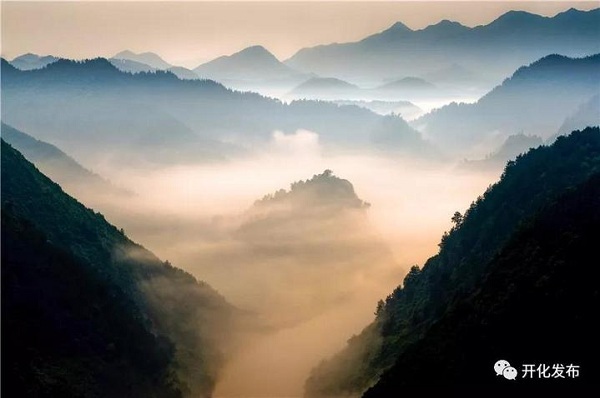
The topography of Qianjiangyuan National Forest Park is characterized by a mix of mountainous terrain, lush forests, and clear streams. The park's landscape features the native evergreen broad-leaved vegetation that is typical of lowland mid-subtropical zones. This diverse topography supports a wide range of habitats, providing a home for various plant and animal species. The park's position as the source of the Qiantang River underscores its hydrological significance, as it plays a vital role in maintaining the region's water resources.
Biodiversity
Flora
Qianjiangyuan National Forest Park is renowned for its rich floral diversity, featuring 61 species of rare and endangered plants. This includes 14 species that are native to China, showcasing the park's importance as a botanical sanctuary. The native evergreen broad-leaved forests are among the park's most distinctive features, representing an increasingly rare ecosystem type in the world. These forests support a variety of plant species, contributing to the park's status as a unique and valuable conservation area.
Fauna
The faunal diversity of Qianjiangyuan National Forest Park is equally impressive, with the park serving as a refuge for numerous rare and endangered animal species. Notable inhabitants include the Chinese serow, the Asiatic black bear, and the crested serpent eagle. The park is also home to the black muntjac, an animal considered by some experts to be as significant for conservation as the giant panda. Additionally, the park supports a diverse avian community, accounting for over half of the bird species found in Zhejiang province. These species contribute to the park's ecological richness and highlight its importance as a biodiversity hotspot.
Attractions
Key Features
Qianjiangyuan National Forest Park offers a range of attractions that appeal to both nature enthusiasts and casual visitors. Key features of the park include its pristine natural landscapes, diverse ecosystems, and the opportunity to observe rare and endangered species in their natural habitats. The park's role as the source of the Qiantang River adds to its scenic and hydrological significance, making it a compelling destination for those interested in environmental conservation and natural beauty.
Tourist Activities
Visitors to Qianjiangyuan National Forest Park can engage in a variety of activities that allow them to experience the park's natural wonders. Popular activities include hiking through the lush forests, birdwatching, and wildlife photography. The park's well-maintained trails and observation points offer ample opportunities for visitors to explore its diverse ecosystems and observe its remarkable flora and fauna. Additionally, educational programs and guided tours are available to enhance visitors' understanding of the park's conservation efforts and ecological significance.
Conservation Efforts
Qianjiangyuan National Forest Park is a model for effective conservation practices in China. The park's management emphasizes the importance of preserving its unique ecosystems while promoting sustainable development. Innovative policies, such as land easement reforms, have been implemented to involve local communities in conservation efforts and provide them with financial incentives. These measures have helped improve the livelihoods of villagers while ensuring the protection of the park's natural resources. The park's inclusion in China's national park system further underscores its commitment to maintaining its ecological integrity and supporting biodiversity conservation.
Visitor Information
Accessibility
Qianjiangyuan National Forest Park is accessible to visitors throughout the year, with various transportation options available. The park's location in the northwestern part of Kaihua county makes it relatively easy to reach from major cities in Zhejiang province. Visitors can access the park by car or public transportation, with road networks connecting the park to nearby urban centers.
Facilities
The park offers a range of facilities to enhance the visitor experience and ensure a comfortable stay. These facilities include information centers, visitor lodges, and designated picnic areas. The park's management is committed to providing eco-friendly services that align with its conservation goals, ensuring that visitors can enjoy the park's natural beauty while minimizing their environmental impact. Educational programs and guided tours are also available to provide visitors with insights into the park's ecological significance and conservation efforts.
Photo Gallery(1 picture)CategoriesTourismTagNatural WonderCatalogue1. Introduction2. Overview3. History4. Geography5. Biodiversity6. Attractions7. Conservation Efforts8. Visitor Information-
- []








